

 In Medan Vihara Setia Buddha Binjai 民礼镇元宫 Sek Koh Sam accepted 5 disciples. They were:
释法禅 Shi Fa Chan
黃錦章 Huang Jinzhang
莊慶錦 Zhuang Qingjin (nicknamed ‘old monkey’ 綽號老猴)
莊金來 Zhuang Jinlai (nicknamed ‘Basha’ 綽號峇殺)
林金聚 Lin Jin Ju
Others mentioned 释成雄 Shi Cheng Xiong and a Indonesian prince.
buddhazine.com has some backgrond info:
“Biksu pesilat Shi Gao Can
Pada tahun 1893, di Binjai dekat Medan didirikan Kelenteng Zhenyuan Gong (民礼镇元宫) yang sekarang bernama Vihara Setia Buddha. Selain memuja Para Buddha dan Bodhisattwa, tuan rumah kelenteng ini adalah “Buddha Hidup” Guangze Zunwang. Dahulu di wihara ini tinggal seorang biksu Chan terkemuka bernama Shi Gao Can (释高参, 1886 – 1960) yang membawa beladiri Shaolin ke Asia Tenggara. Sampai sekarang sesepuh Shaolin, imaji Bodhidharma masih terlihat jelas di sana.”
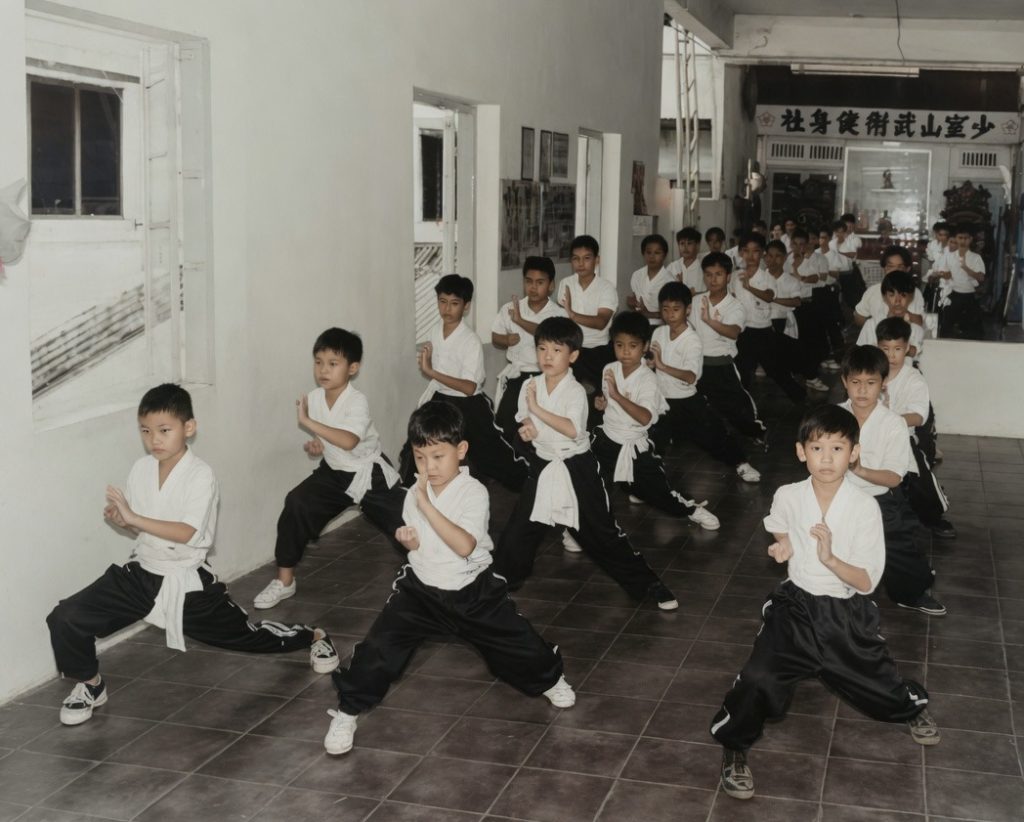
Appereantly there is a school over there with the name “Sau Se San” 少室山武术健身社.
苏北民礼中华国术研究社 was the original name, later changed to 苏北民礼少室山体育慈善社(国术社)
They have stopped teaching kungfu about 60 yrs (since 1966). Medan is not only has 少室山 but also had 少云山 and 少明山; the last two are no longer active.


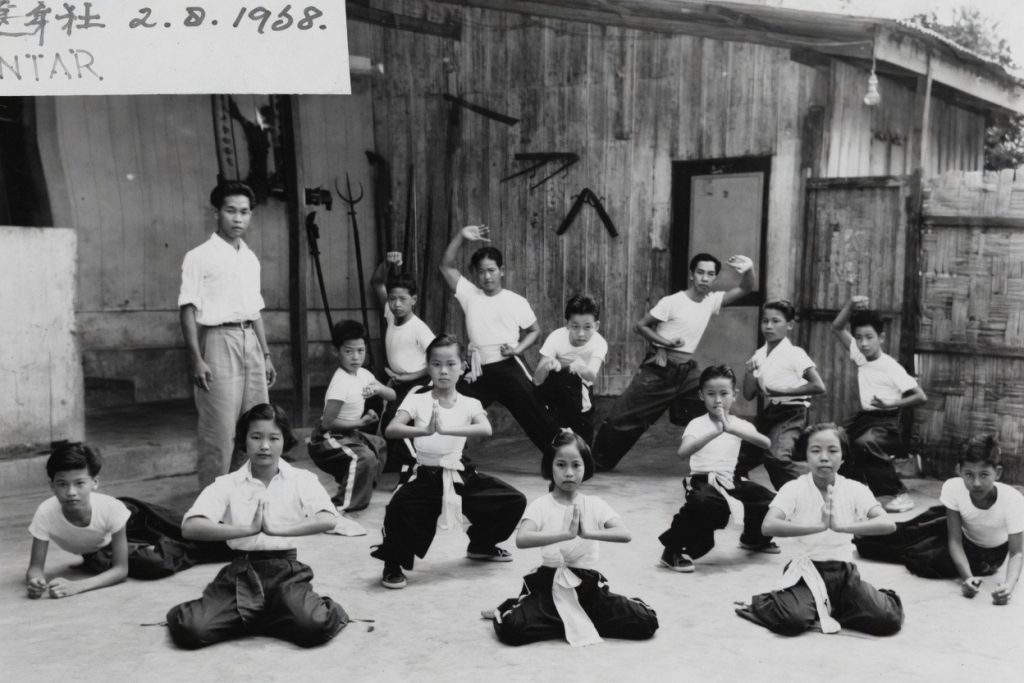
 This picture hangs in the Medan temple 真元寺 Zhen Yuan Si.
Himpunan Sosial dan Olahraga Sumatera Utara HISOSU BINJAI
The North Sumatra Social and Sports Association or known as HISOSU is centered in a small town known as the rambutan city, namely Binjai, North Sumatra, Indonesia, which is about 25km from the city of Medan, North Sumatra, Indonesia.
Shaolin Monks Come to Binjai
In the early 20th century, monk Gao Chan from the Shaolin temple came to Binjai City and served at the Setia Buddha Binjai Monastery. In his spare time, he taught Kungfu to the local community which later became the forerunner to the formation of HISOSU Binjai. Therefore, the Setia Buddha Binjai Monastery and HISOSU Binjai are closely related because of Monk Gao Chan. Until finally he left Binjai City and moved to monasteries in several countries including the Suang Lin Shi Monastry in Singapore.
 Hisosu Binjai on Facebook and Another Facebook page

副刊 – 05 Feb 2016 EDY 102792
苏北民礼少室山体育慈善社(国术社)简史
苏北民礼中华国术研究社始创于一九四三年,地点在民礼镇元宫(现改称镇元寺)为中国少林四十九传的传人释高参法师创立,现称苏北民礼少室山体育慈善社(简称国术社)。
释 高参法师文武兼修,擅长针灸与医学,为六祖传下二房武术慧精法师的入室弟子,之前曾拜名武师曹彪为师,学五祖拳,为曹彪得意高足。慧精法师不许他收传人, 高参法师深感徒有一身武艺,不能传于后世,其师慧精又已圆寂,遂修书其师伯(名不详)允其传艺后代,经师伯荅允后在苏北民礼镇元宫地下室练武厅开始收徒, 初仅五人,首徒法禅和尚,后为镇元宫住持,其余四徒为黄锦章、庄庆锦(绰号老猴)、莊金来(绰号峇呆)、林金聚(皆已故)。高参法师在镇元宫主持期间,发 扬少林武术由五十传弟子培育不少新秀和后学,其宗旨提倡强身健体,为发扬中华少林武学作出巨大贡献。并传授舞狮、舞龙技艺,深获民礼及外埠华人社会的大力 支持和赞扬。国术社历尽艰辛,披荆斩棘,在重重困难中不断成长,当时由莊金来(武术教练师父)、林腾顺、林金錬、吴经富、周安(生生鞋店店东)、何荣光 (祥行金店老板)、吴在旺、高清温、江启龙、陈源明、黄德发、严进德、吴金印(最大赞助人),(恕有遗漏者,祈儿孙们海涵),有幸大家互助互爱,不辞劳 苦,始有今日之成就,前人之功不可没也。
高参法师於一九四八年离开民礼,赴新加波主持双林寺,并於一九五四年首创少华山国术健身社。在五十年代期间,每年农历除夕、新年,国术社龙狮队前住棉兰、丁宜、先达、亚沙汉、瓜拉新邦等外埠舞狮舞龙、国术表演,深获当地社会人士好评。初八开始至十五元宵节,每天晚上在民礼挨家挨户向社会人士拜年,恭贺新春万事胜意和平安。龙狮献舞,登高採青、破椰剥柚等技艺令人叫绝,武术精湛,刀、枪、剑、棍、猴拳、醉拳等十八般武术高超,惊险处令人胆战心跳,演出后掌声不断,观众个个拍手称快。
一九五五年在民礼大街(现称苏帝曼将军街)买下一间会所,一九五六年十一月七日重修落成,众志成城,社会仁人善士功不可没。后来又买下隔壁一间屋宇,扩建后两间合一(即现在国术社会所),会所扩建后,大礼堂可供社会人士举行婚宴、聚会或其他用途,并给予方便和服务。
现在国术社二〇一四年至二〇一七年新理事如下:
创办人:莊国钱。
培训:SUGIANTO 、AHMAD JAMIN
顾问:王德辉、王德云、谢天利、陈荣华、黄世君医生、范天龙、莊国宝、莊铁民、张国华、黄金桃
正主席:陈国成
副主席:黄水明、严燕燕
文书:莊志强、韩伟元
财政:莊承霖 副:陈应光
互助部:曾国华、吴兹来
会所负责人:黄俊逢
国术社老人院负责人:饶晶宗
文书:NONI
老人院建於一九九四年,前后共建五十三间房舍,一九九五年开始接收老人入住。第一阶段地皮(约三千平方公尺)由社会人士林永山先生捐出,以后地皮扩展皆由国术社购置。并设有地藏殿、诊疗所,供免费治疗,资金多为仁人善士乐捐。二〇一二年十二月十二日院内所建白云寺落成启用,将供老人或社会人土安置灵灰之所。更计划于二〇一六年将建一所孤儿院,专供收容华裔孤儿并给予教育,俾成长后能为社会和国家献一分力。
兹将社会人士捐助国术社之芳名录於此,并向他们致以万分谢忱。
(一)棉兰陈亭墅先生捐助二间房供国术社殡仪馆之用。
(二)傅银盛先生令堂捐助一块地皮在昔里西镇巴耶然武墓地建一所灵灰堂,供当时五百多位无亲无戚的老人归真后灵灰安息之所。
(三)国术社现主席陈国成捐助一部L-300三菱牌新房车及另一部SUZUKI牌新房车供殡仪馆及老人院之用。
(四)还有许许多多的仁人善士奉献爱心,舍施无数财力物力,大米、糖、油、食品关爱老人,此心此德,国术社同仁等均感义薄云天,孤寡老弱等平平安安度过他们的晚年,皇天后土,保佑大家长寿安康。
民礼少室山体育慈善社(国术社)新一代领导当不负先辈遗志,立願奉献全部精力,将大公元私,严守纪律,为社会大众尽一分力,发一分光,但願仁人善士本热心公益之心,抚恤孤寡老弱之德,更加支持和爱护我们,祝愿国术社好名好声永留在人们的心中,国术社更加发扬光大,万古长存。
苏北民礼少室山体育慈善社
(国术社)供稿15-1-2016


Some pcitures of present day Zhen Yuan temple, lion dance activities and sports association.


Inside the temple space, a small statue of Sek Koh Sam (释高参) is placed prominently among the ritual objects, indicating his role as a central figure in the lineage.
Nearby, several spirit tablets (神主牌 / 牌位) are arranged on the altar, representing deceased masters and members associated with the tradition.
Above the entrance, his name is displayed, marking the building’s connection to his legacy and the institution he helped establish.
Together, the statue, the tablets, and the name inscription form a single visual structure of remembrance within the Zhenyuan Temple (镇元寺) context and the associated Guoshu association (国术社) tradition.